


The conversation around AI is shifting from experimentation to making it work in real environments, under real constraints. As progress unfolds, the competitive advantage lies in AI’s ability to transform workflows, improve decisions and protect the wellbeing of the human workforce.
Few places test innovation as intensely as Hong Kong. With more than 7,000 people living within every square kilometre, our city ranks among the world’s densest urban environments. With an extraordinary network of busy streets, complex infrastructure and some of the tightest financial regulations on earth, Hong Kong runs on high speed and high expectations.
This makes Hong Kong an ultimate living lab for applied AI and data-driven solutions: if it works in Hong Kong, it can work anywhere.
The test begins in the city’s buildings and infrastructure.
Letting Robots Take People Out of Harm’s Way
As AI extends across the building and industrial lifecycle, its value is measured not only in efficiency, but in human lives saved. Nowhere is this clearer than in infrastructure maintenance, where crews work at height, exposed to the elements, and a single misstep can carry serious consequences.
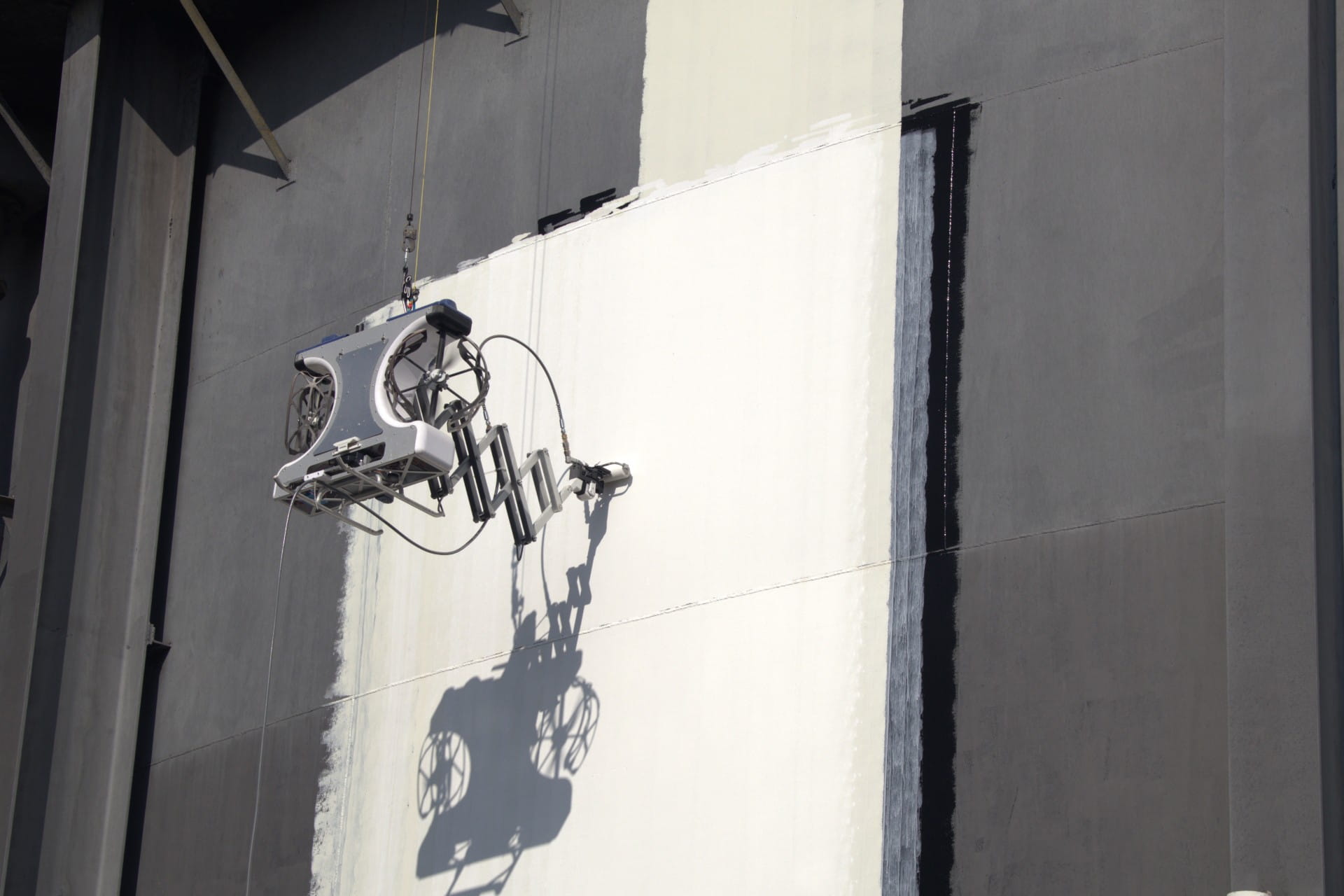
Robotics applications are offering a safer alternative. To maintain its vast energy network, Towngas partnered with C3 Robotics to deploy a fully automated painting robot that applies specialised cooling coatings to large fuel feedstock tanks. Engineered to replicate the consistency and precision of skilled technicians, the robot adapts to curved industrial surfaces while maintaining uniform coverage.
By removing the need for elevated scaffolding work, the system reduces safety exposure while improving operational efficiency and cost control.
Making Official Documents Work Smarter
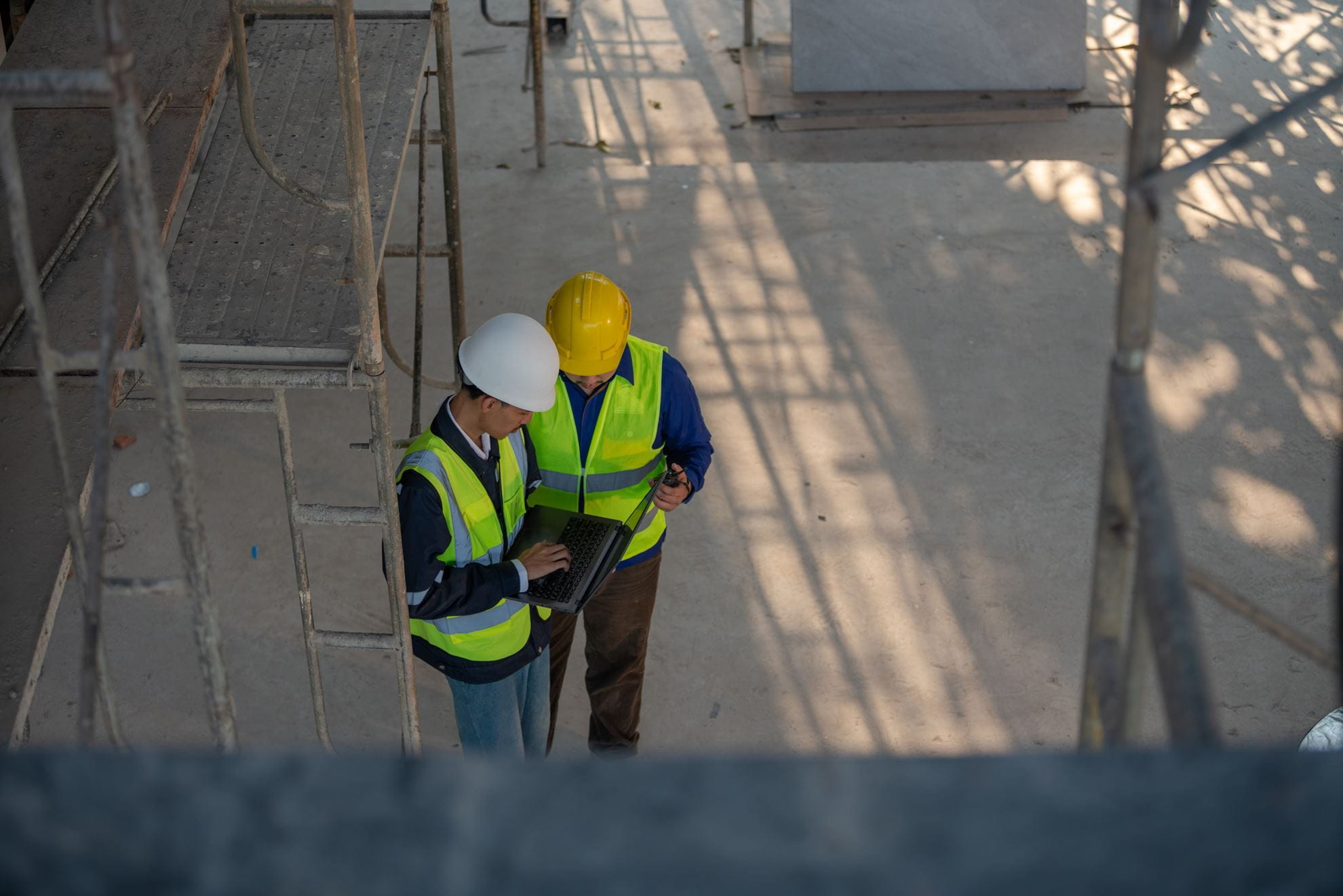
Physical infrastructure is only one layer of a functioning city. Regulatory demands may also cause friction in a city's growth. Across the construction cycle, engineers, architects and other engineering staff must navigate thousands of safety codes, technical circulars and compliance documents. It requires constant cross-checking and leaves room for oversight.
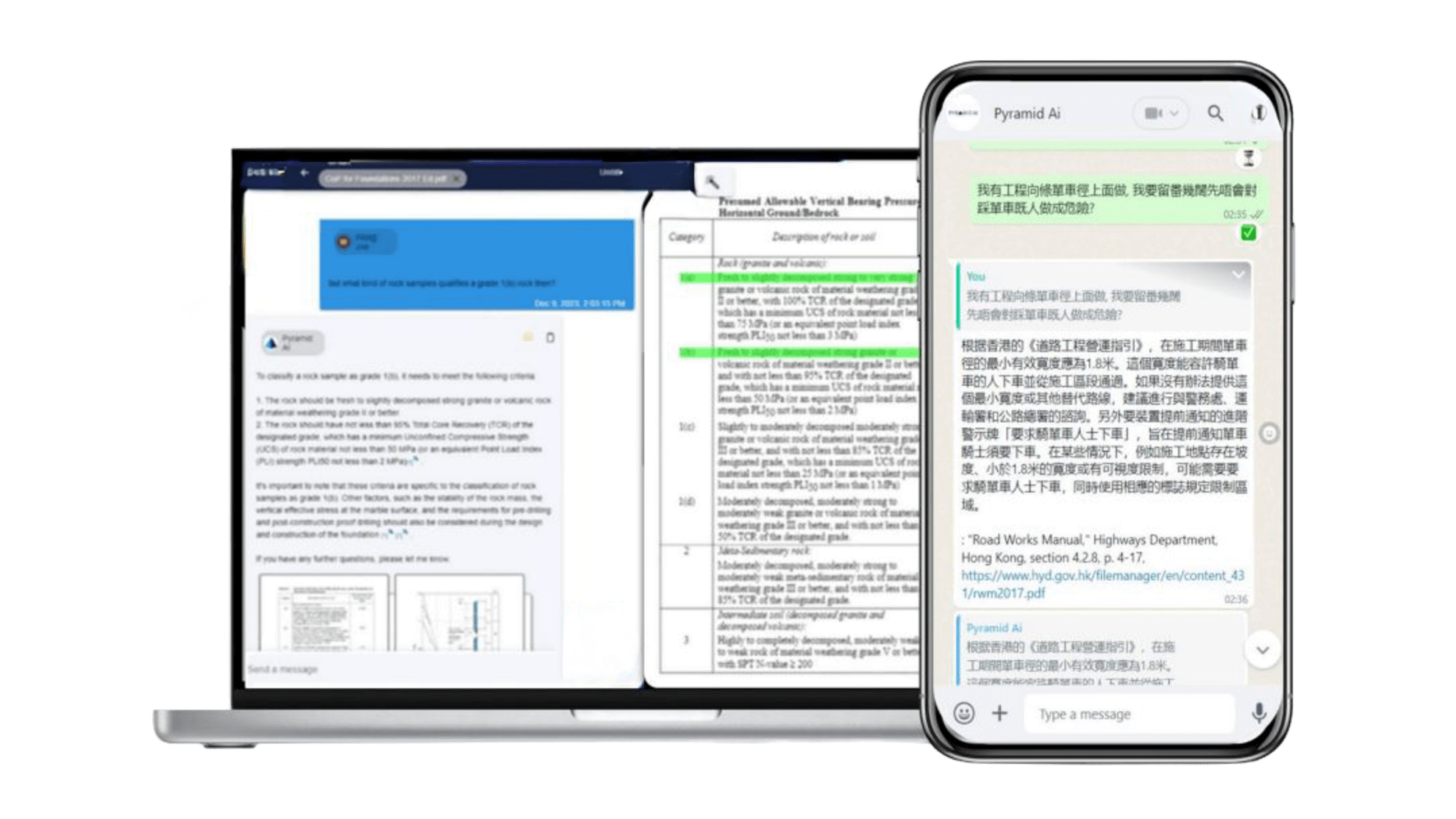
To ease this burden, Pyramid AI developed a customised retrieval-augmented generative AI assistant for the Development Bureau. The system draws from a verified knowledge base of over 3,000 construction-related documents, including regulations, circulars and precedents to provide clear, traceable responses to complex queries. Officers can retrieve relevant clauses quickly, compare requirements and prepare documents aligned with the latest policy updates.
In a related initiative, Pyramid AI also worked with the Development Bureau to strengthen tender compliance. Pilot programmes were introduced to require tenderers to screen their submissions against updated policy requirements before formal review, improving the quality of submissions at the outset and streamlines subsequent evaluation.
Together, these developments demonstrate a more systematic integration of AI into the construction sector.
Automating the Arteries of Global Trade: Rewiring the Port
If buildings test vertical space, then our container ports put coordination to the test.
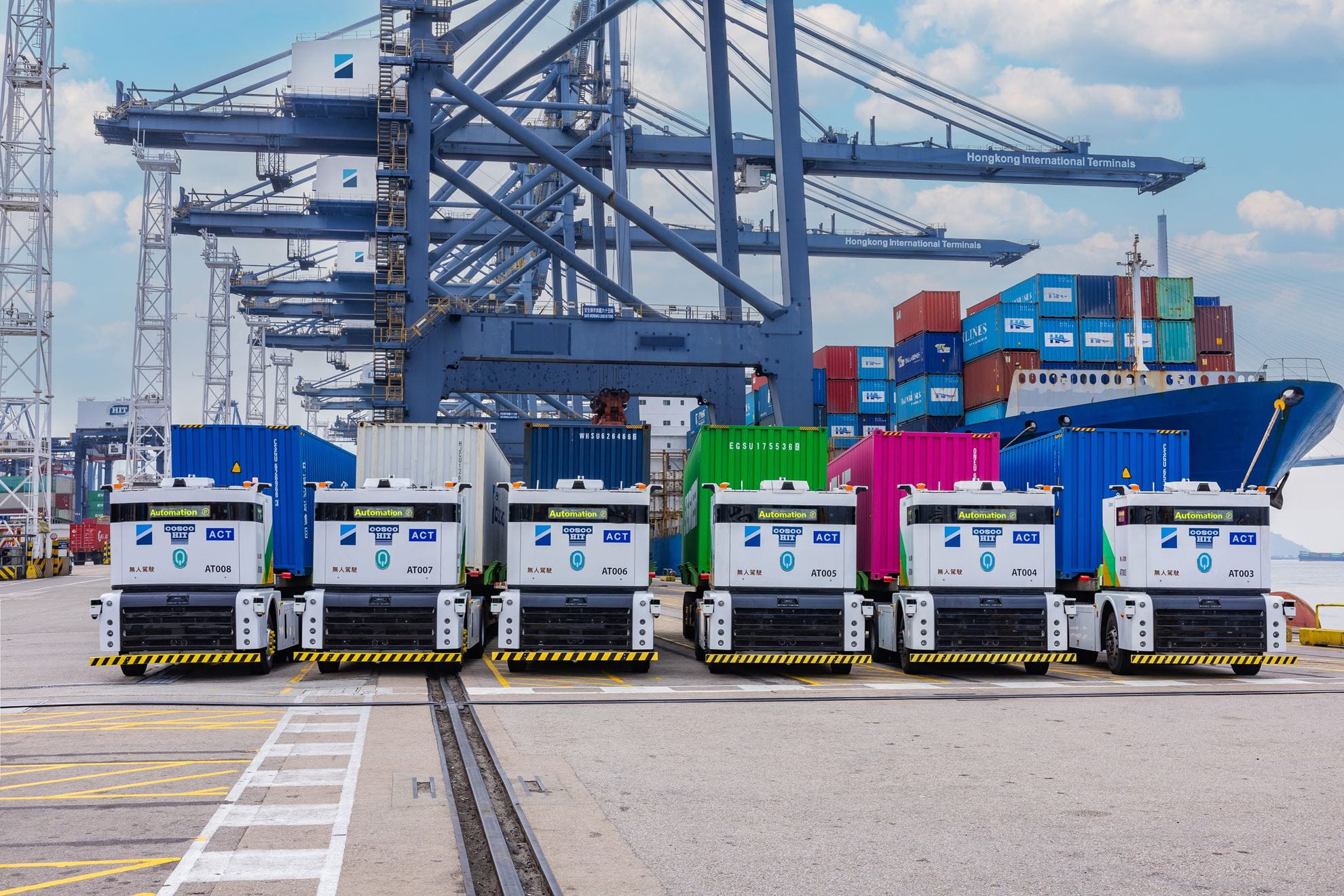
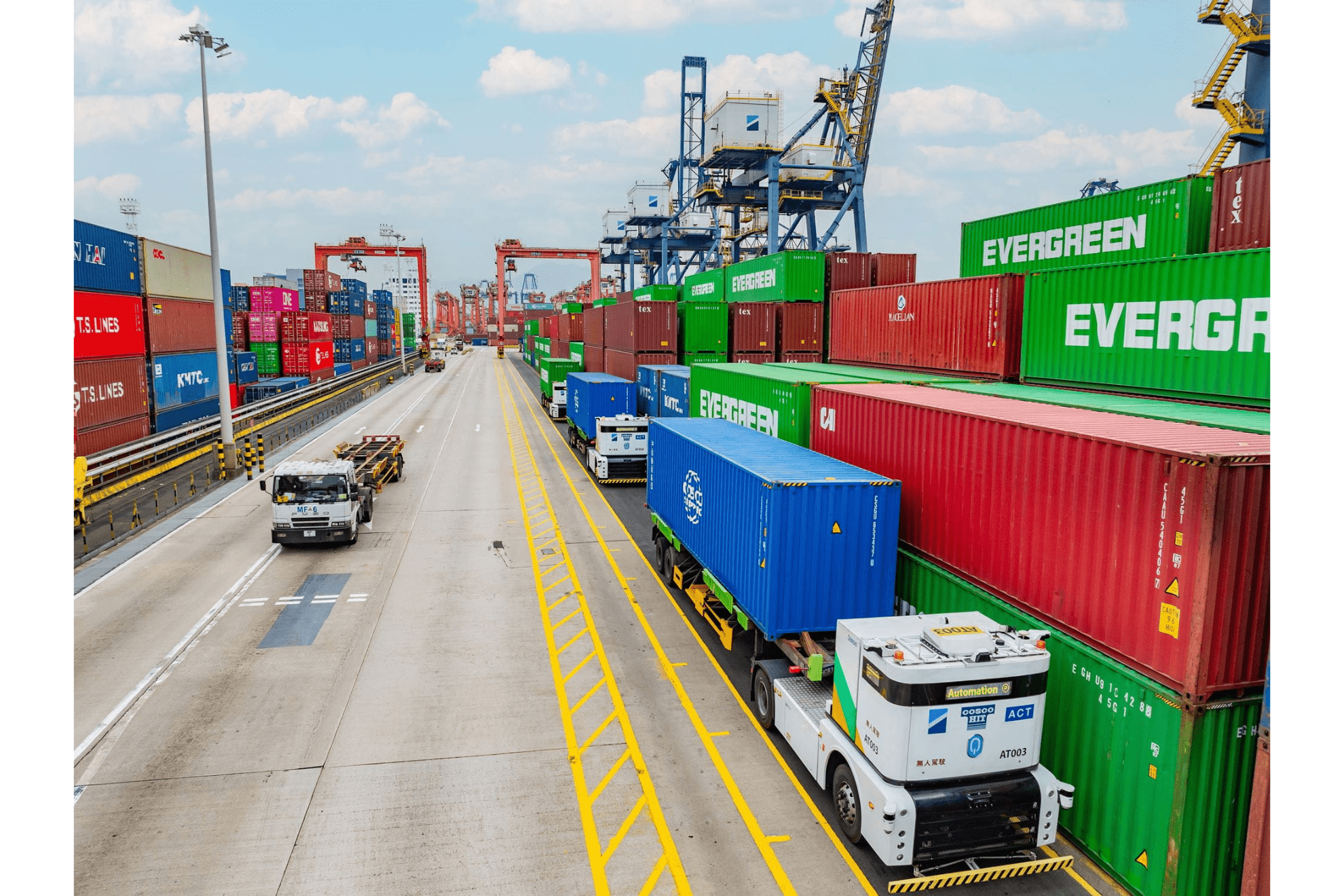
In April 2026, Hutchison Port Holdings Trust (HPH Trust) launched Hong Kong’s first in-port autonomous truck fleet at Hongkong International Terminals (Terminal 4), deploying AI-powered, zero-emission Q-Trucks to boost operational efficiency.
Developed by Westwell, the driverless Q-Trucks operate in true mixed-traffic mode alongside conventional vehicles, and are powered by AI algorithms, advanced sensors and precision positioning systems. They deliver 24/7 all-weather performance with built-in obstacle detection and emergency response capabilities.
The initial deployment of six autonomous units represents a structural shift in container logistics, reducing human exposure in high-traffic yard zones while maintaining operational continuity. As zero-emission vehicles, the Q-Trucks support HPH Trust’s broader green technology initiatives, in line with Hong Kong’s green port development policies.
By introducing autonomous trucks into live terminal environments, Hong Kong demonstrates how AI can operate reliably within one of the city’s most demanding industrial ecosystems, offering a model for other global ports facing similar constraints.
Doctor in Your Office? Combating Professional Burnout
The influence of AI also touches the human side of the workplace. As organisations confront rising levels of stress and fatigue, attention is shifting toward how technology can support employee wellbeing alongside productivity.
A 2025 Workplace Stress Survey conducted by The Hong Kong Federation of Trade Unions Occupational Safety and Health Association found that an alarming 84.5% of Hong Kong employees face high-pressure work environments.
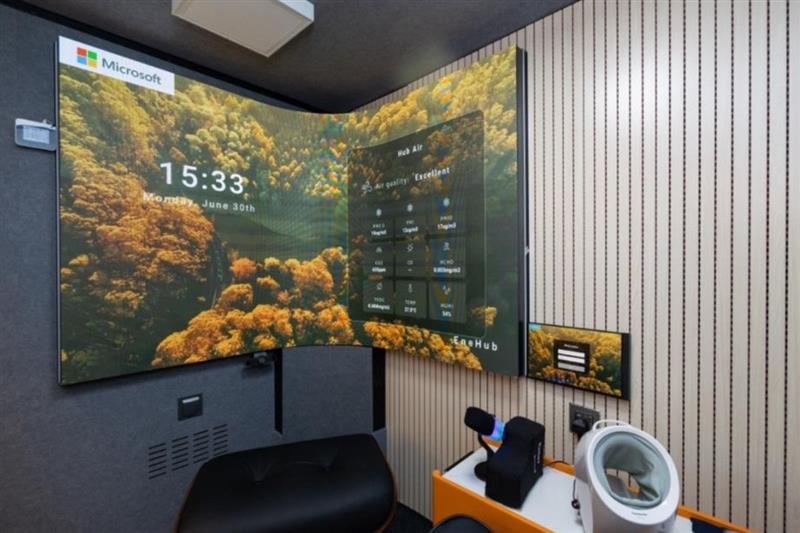
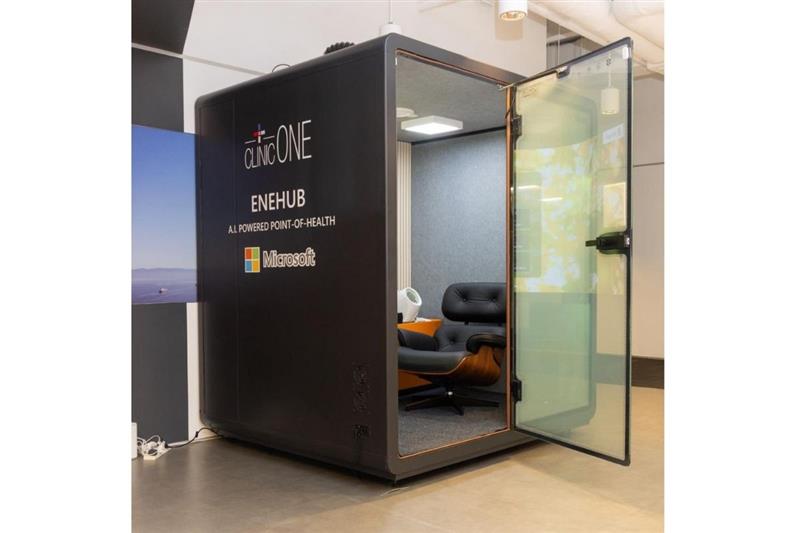
Recognising that mental and physical fatigue directly bottlenecks corporate productivity, Microsoft HK introduced an innovative, AI-powered enterprise health and wellness hub in their headquarters.
Developed by Applied Technology Group Limited, the self-service pod integrates physical health assessment tools with digital mental wellness support within a private office setting. Using predictive analytics, the system enables employees to monitor stress indicators, identify patterns over time and access personalised wellness guidance. In this setting, AI functions as an early support mechanism, helping individuals manage strain before it develops into sustained burnout.
These examples illustrate how AI is being woven into the daily routines in Hong Kong in ways that impact everybody’s lives. Each application responds to a real need and exceeds expectations against constraints. Over time, they shape an environment where intelligent systems are part of how Hong Kong functions.
That environment does not emerge by accident. It requires infrastructure, testing ground conditions and a community willing to adopt and iterate in real time.
Starting at Home: Turning Our Campus into a Smart City Testbed
At Hong Kong Science Park, we are building that foundation. Across our campus, intelligent systems have been seamlessly integrated into our daily operations. As an early adopter of AI in real-world environments, we embed digital technologies and data-driven solutions into the way our community works, lives, plays and learns, ensuring every initiative enhances everyday experiences naturally and meaningfully.
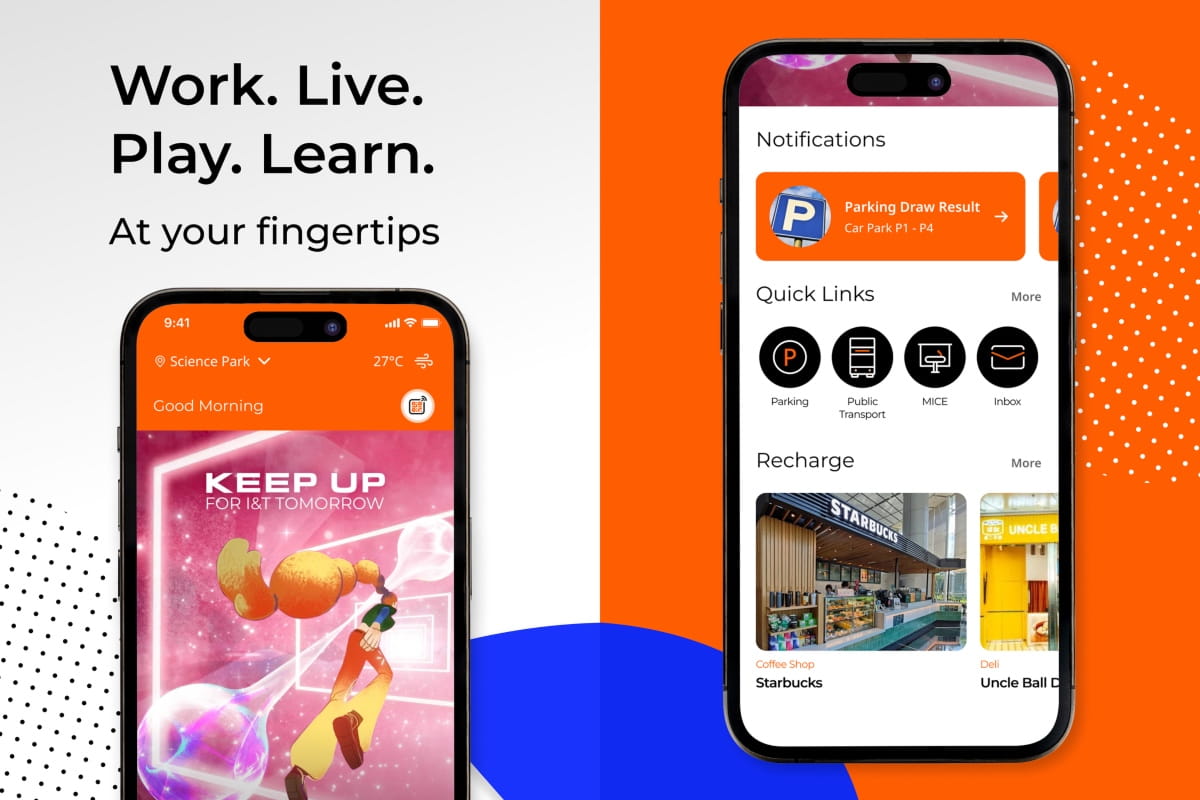
The HKSTP App sits at the heart of this experience. Serving as a one-stop platform for our Park community, it brings navigation and everyday conveniences together in a single interface. Beyond shop directories, dining options and event updates, the app enables virtual building access, real-time facilities and services booking, sensor-enabled parking availability information, and even monthly parking payments management. The result is a more seamless, connected and convenient experience for our community.
Behind the scenes, an extensive digital infrastructure keeps the Park running efficiently. Across 27 buildings, more than 40,000 maintenance requests are processed annually. Today, these requests flow through a digitally connected ecosystem powered by IoT tracking, automated workflows and real-time mobile updates, reducing turnaround times by 75%.
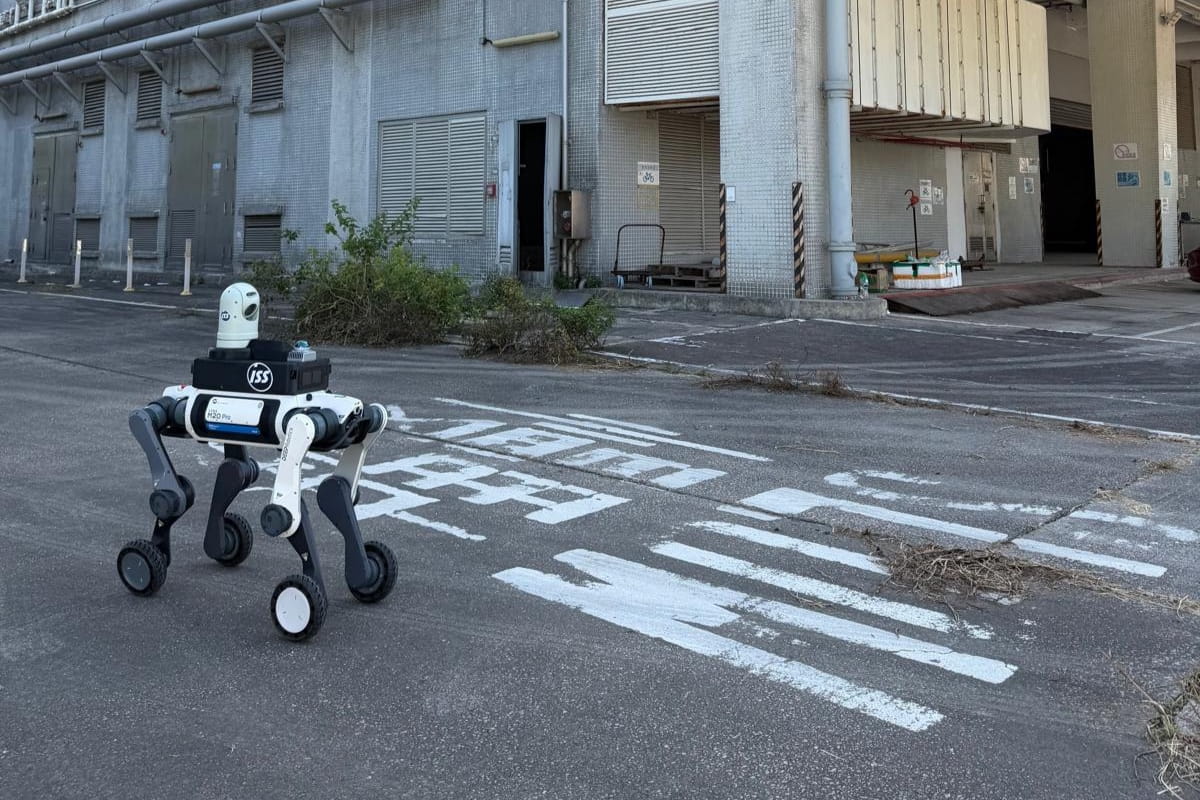
Responsiveness across the campus follows the same principle. Patrol robots and video analytics help detect issues in real time, enabling faster responses to incidents. By enhancing patrol efficiency and automating routine monitoring tasks, these smart technologies have reduced security patrol manpower requirement by 30%, allowing personnel to be redeployed to higher-valve services that further enhance the Park community experience.
In this way, our Park operates as a working model for Hong Kong’s smart city ambitions. Testing intelligent systems in real conditions generates practical insights that can inform public services and infrastructure beyond our campus, with relevance for dense cities worldwide.
Conclusion: Let’s Make the Future Work
The true measure of AI lies in its practical impact on everyday life. Its value emerges in safer worksites, stronger institutions and better support for people under pressure.
Hong Kong offers a compelling environment for this kind of applied innovation. With dense urban systems, complex regulatory frameworks and close integration with advanced manufacturing capabilities in the Greater Bay Area, the city creates conditions where solutions must function reliably in everyday operations.
This combination of real-world complexity and regional industrial depth has attracted global founders in recent years, positioning Hong Kong as a base for developing solutions that can scale beyond the city itself.
Are you looking to transform business operations through AI?